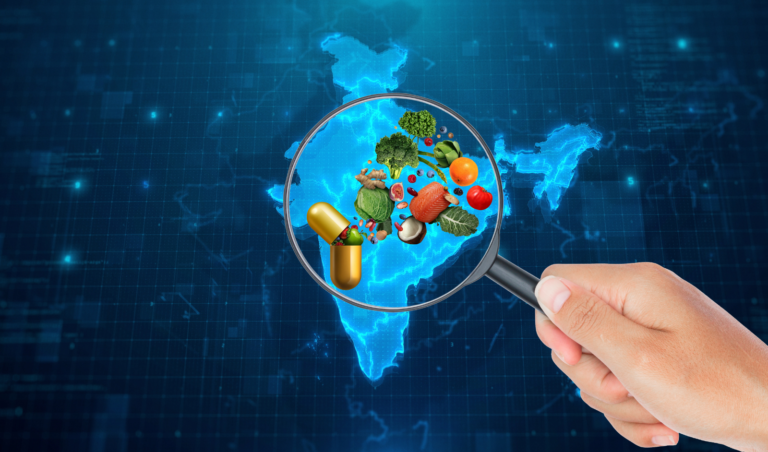
How Food as Medicine can help India lead the next chapter of global healthcare
India has the scientific capability, agricultural diversity and manufacturing strength to play a leading role in preventive healthcare. However, to seize this opportunity, there needs to be a change in how health is quantified, incentivised and funded.
India’s rise as the pharmacy of the world is one of its greatest industrial success stories. Currently, India accounts for almost 20% of global supply of generics in terms of quantity, with Indian-manufactured generic drugs available in more than 200 countries. This has been built on decades of investment in science, quality manufacturing and affordability.
The next phase of healthcare presents a different opportunity. Instead of focusing only on the efficient treatment of diseases, we should think about how to avoid or delay the need for treatment in the first place. This is where the idea of Food as Medicine comes in.
The need for such a shift is clear. India continues to carry a significant burden of lifestyle-related and non-communicable diseases, making prevention a healthcare priority rather than simply a wellness choice. Diabetes alone affects around 77 million Indian adults, according to the International Diabetes Federation. At the same time, India’s nutraceutical market is expected to increase from roughly $30 billion in 2024 to almost $57 billion in 2030. This creates an opportunity to rethink the role of nutrition in healthcare.
The government’s launch of the ICMR-ICAR SEHAT Mission is an important step in this direction, reflecting a growing recognition that agriculture, nutrition and healthcare can no longer be treated as separate domains.
The implications go beyond the growth of a new industry. They point to a structural gap in how our healthcare system measures value. The current healthcare system largely responds after illness occurs. Hospitals are paid when people require medical treatment. Insurance largely pays when people require hospitalisation. Public spending increases as the burden of disease rises. But when better nutrition delays the onset of diabetes, reduces the risk of cardiovascular problems or helps people remain healthier for longer, that economic value is rarely recognised.
India therefore needs a Prevention Value Framework.
Such a framework should measure not only healthcare expenditure avoided, but also healthy life years gained, productivity preserved and improvements in quality of life. Importantly, the shift towards prevention has already begun to find a place in the insurance sector. Health insurers are increasingly taking initiatives around wellness, preventive health and healthier behaviour, with incentives such as reward points, health assessments and, where product terms permit, benefits linked to wellness and preventive habits. IRDAI has also provided a regulatory framework for such wellness and preventive features.
The next step is to take this approach further and make prevention a more integral part of the healthcare ecosystem. Premium rebates, wellness credits, tax benefits or company-sponsored health programmes could reward individuals who consistently make healthier choices and demonstrate measurable improvements in their health indicators. This would create a stronger connection between healthy behaviour today and lower healthcare costs tomorrow.
The economics of current healthcare begin at the point when a person gets sick. The next generation of healthcare must start from the moment when an individual decides to stay healthy.
Similar shifts are necessary in agriculture.
While India’s Green Revolution solved the problem of food production, the next challenge is improving the nutritional quality of what is being grown. No longer can the success of agriculture be measured only in tonnes of crop per hectare – the health impact per hectare has to factor into that equation as well.
A Nutrition Yield Index could help facilitate that change. It should consider not only the productivity of the crop, but also the bioavailability of proteins, essential micronutrients and clinically proven bioactives produced per hectare. Such an index would motivate people to grow nutrient-rich crops, support biofortification initiatives and gradually reorient incentives in agriculture to favour those crops and farming methods that are healthier.
The credibility of such indices will rely on science. India is already a world leader in the production of botanical extracts and nutraceutical ingredients; however, a large part of the corresponding clinical research is done overseas. Increased India-driven clinical research, closer cooperation between academia and industry, and the creation of real-world evidence will be critical if innovations made in India are to have wider international recognition.
The industry itself needs to adopt new ways of measuring its success. Outcome Based Nutrition needs to change the conversation from the size of the market and the power of claims to tangible health improvement. Public procurement, reimbursement programmes and government-supported nutrition programmes need to increasingly favour solutions that are supported by robust clinical evidence.
India already has all the necessary ingredients for such a transition – a world-renowned pharmaceutical industry, unparalleled biodiversity, a strong agricultural base, growing research capabilities and a burgeoning nutraceutical industry. What it requires is policy that can align these advantages in pursuit of a common goal.
The Prevention Value Framework can motivate consumers towards better health behaviour. The Nutrition Yield Index can align agriculture with improving nutritional outcomes. Outcome Based Nutrition can provide the scientific foundation for innovation, procurement and investment.
India has the capability to lead this shift. What remains is the willingness to redesign incentives so that prevention becomes as valuable as treatment.
If these reforms come together, Food as Medicine can become far more than a high-growth industry. It can become India’s most meaningful contribution to the future of global healthcare—not by replacing medicines, but by helping millions of people stay healthier before they need them.